The inbound engine, 2018–2026
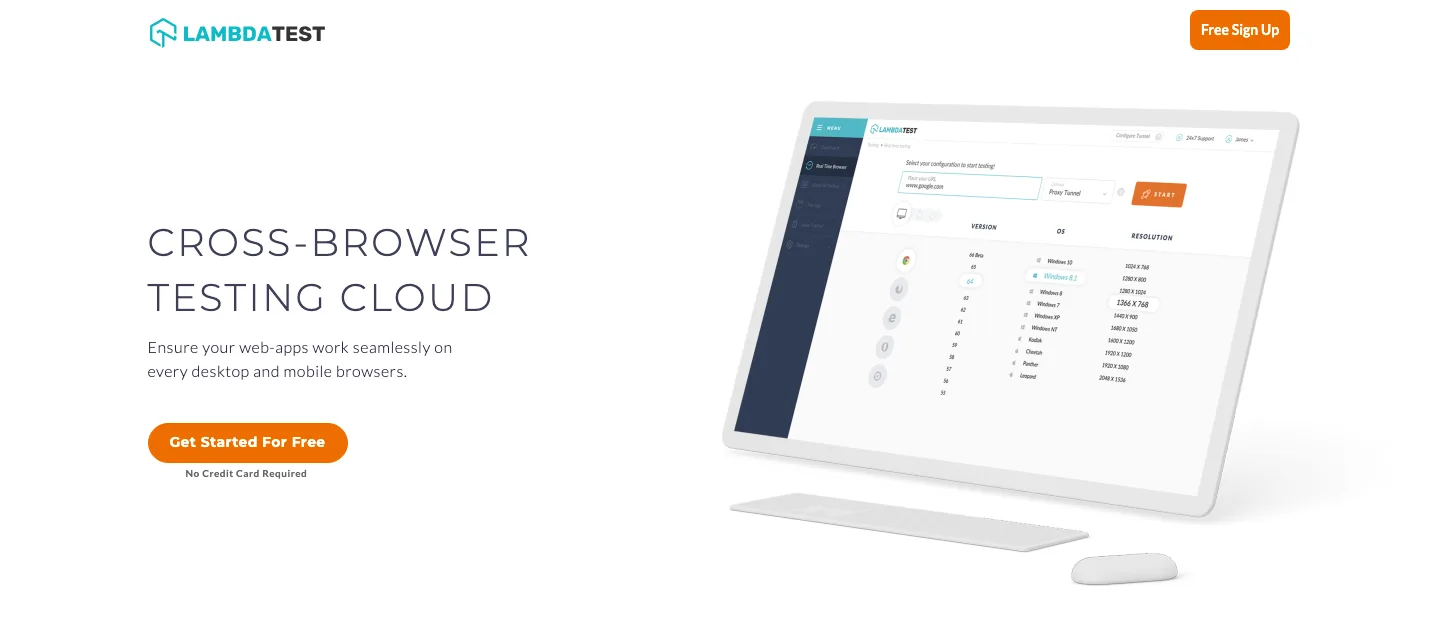
I joined a developer-tools startup in July 2018 as its first digital-marketing hire. Eight years later the same engine, tuned every quarter, is the reason people sign up without talking to anyone. This page covers how it is built; the prune covers the part we took apart.
- Monthly signups grew more than 40-fold, from about 1,200 when I joined in 2018 to 50,000 by 2025 stated.
- Signups grew year on year for seven consecutive years, measured July to July, 2018 to 2025 stated.
- The site reached over 1 million monthly visits in mid-2024 stated; brand-search growth for the company name over the same years is visible on Google Trends third-party; the site's growth in footprint is visible in the Wayback Machine third-party.

What the engine is
Three parts, in the order we built them.
1. Documentation and learning content that ranks. The first two years were plumbing: a documentation set written to be indexed, a Learning Hub public for the how-to intent developers actually search, and certifications that turned readers into accounts. The rule was one job and one query family for every page.
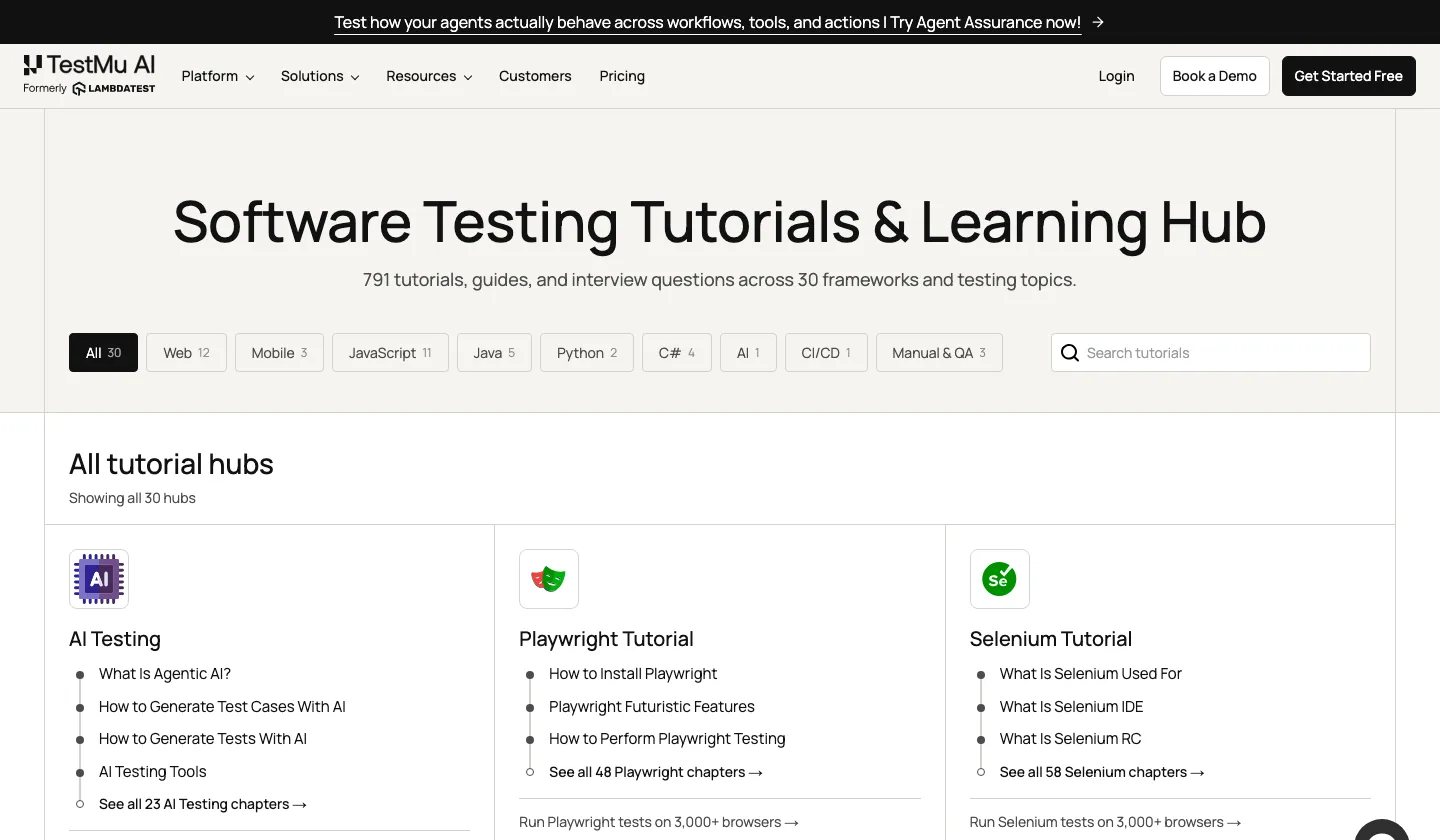
2. The signup is the page. From 2021 we stopped treating "SEO" and "product-led growth" as different teams. Free tools, a hands-on playground and an accessible free tier meant the page that ranked was the page that converted. From then on we judged pages by the signups they produced.
3. Instruments that report what changed. I build AI agents for my own marketing work with Claude Code, including one that reads our search data and writes up what moved in how buyers find us. More in the agentic stack.
When search changed
The 2024–25 search changes landed hardest on informational queries, the class AI answers took first, and much of what we had generated programmatically for that intent was thin. We removed about a hundred thousand pages rather than defend them, and in January 2026 moved every URL to a new domain. Signups kept growing year on year through 2025.
That decision has its own page: we deleted 100,000 pages. The migration mechanics are on the rebrand page.
What I'd do differently
Diversify off informational intent earlier. It is the query class AI answers took first, and signups were always the better measure of what it was worth.
Proof
- publicLearning Hub, company scale page ("Users 3M+", "Enterprises 18K+").
- third-partyGoogle Trends: "lambdatest", 2018–2026; Similarweb estimate.
- statedInternal analytics for anything not linked above. I walk through the live numbers in conversation.
Every figure carries how it is known: public links open for anyone; third-party corroborates direction from an independent source; stated is internal analytics, quoted with its date, with a walkthrough available in conversation.